Understanding the Eurovizijos Atranka
The Eurovizijos Atranka is a prestigious national selection process in Lithuania that determines which artist will represent the country at the Eurovision Song Contest. It serves not only as a platform for emerging talents but also as a reflection of the nation’s music culture and preferences. Throughout the years, this event has grown in popularity, drawing attention from the media and fans alike. The structure of the selection process is designed to promote transparency and fairness, combining both jury and public involvement in the decision-making. For those interested in the latest developments and updates regarding the Eurovizijos Atranka, you can visit https://kurpramogauti.lt/ to find comprehensive insights.
What is Eurovizijos Atranka?
Eurovizijos Atranka is the Lithuanian national selection for the Eurovision Song Contest. It involves a series of competitions where various artists and songs are evaluated to select the country's representative for Eurovision. This event not only showcases local talent but also fosters a sense of national pride as the winning performer competes on an international stage.
History and Evolution of the Event
Established in the early 2000s, the Eurovizijos Atranka has undergone several changes reflecting different musical trends and public interest. Initially, the selection was more simplistic, focusing solely on local talent. However, as Lithuania became more integrated into the European music scene, the competition evolved to include a broader spectrum of music genres and performance styles. Notable moments in its history include Lithuania's first entry in the Eurovision Song Contest in 1994, which paved the way for the establishment of the Atranka as a formal process.
Importance of National Selection in Eurovision
The national selection process plays a crucial role in Eurovision, as it allows countries to express their cultural identities through music. For Lithuania, the Eurovizijos Atranka is a chance to not only select a representative but to engage the public in the decision-making process, thus enhancing interaction between artists and fans. This process also serves as a platform for artists to gain recognition and for the public to enjoy a variety of performances throughout the selection rounds.
How the Selection Process Works
Overview of Participation Rules
The participation in the Eurovizijos Atranka is open to all artists who meet the eligibility criteria set by LRT, the Lithuanian national broadcasting institution. Typically, both solo artists and groups can apply, provided they submit their original songs and adhere to the competition rules. Each year, the specific requirements are outlined in detail, ensuring that all interested parties have the opportunity to compete.
Stages of the Selection Process
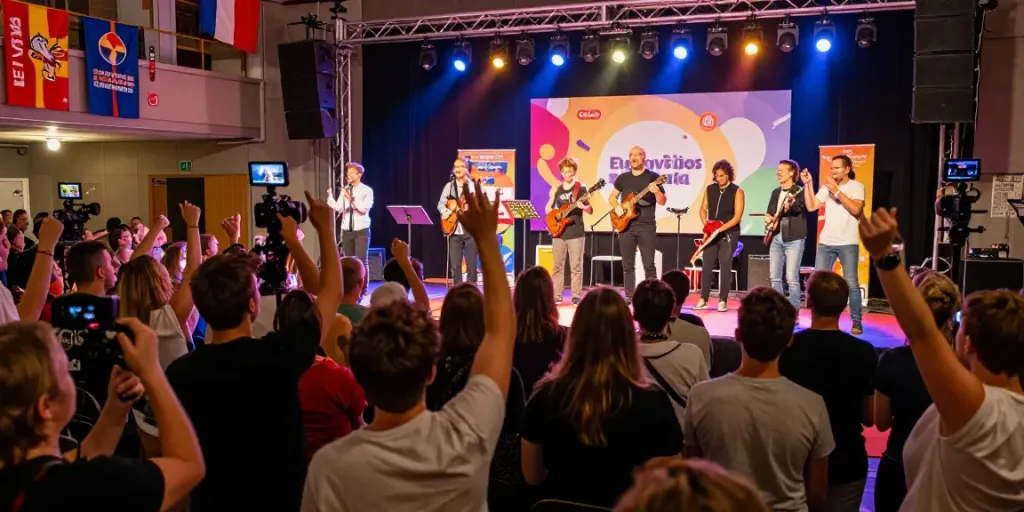
The selection process generally consists of several stages. Initially, artists submit their songs for consideration. After an evaluation by a jury, selected entries move on to live performances during the pre-show rounds. These shows are broadcasted to the public, where both jury votes and audience votes play a significant role in determining which acts advance to the finals. The final event culminates in a live show where the ultimate winner is chosen.
Role of Jury vs. Public Voting
In the Eurovizijos Atranka, the decision-making process typically involves both a professional jury and public voting. The jury assesses the artistic quality and potential of the performances, whereas the public's vote reflects the tastes and preferences of the audience. The combination of these two voting mechanisms helps to ensure a fair and balanced outcome, ultimately selecting an act that not only impresses the professionals but resonates with the public as well.
Key Dates for the 2027 Atranka
Announcing the Dates
As of now, the specific dates for the 2027 Eurovizijos Atranka have not been announced. LRT is expected to release detailed scheduling information in the fall of 2026, which will outline the timeline for participant registration, selection rounds, and the final show. Keeping an eye on official announcements is crucial for those interested in participating or attending the event.
Timeline of Events Leading Up to the Selection
The typical timeline for the Eurovizijos Atranka begins in the fall, with the opening of participant registrations. Following this, several selection rounds take place, usually spanning from January to February, culminating in a grand final event where the winner is announced. Each year, this timeline may vary slightly, depending on the decisions made by LRT.
Importance of Staying Informed
For both fans and potential participants, staying informed about the dates and details of the Eurovizijos Atranka is essential. With the competition generating significant interest, updates can come rapidly, and having the latest information helps fans engage with the artists and enjoy the selection process fully.
Frequently Asked Questions
What to Expect During the Atranka?
During the Atranka, audiences can expect a vibrant showcase of talent, with a wide variety of musical genres and performance styles. Each round will feature different artists vying for votes, creating a dynamic atmosphere filled with excitement and competition. Fans often engage through voting, adding to the overall experience of the event.
How Can Artists Apply for Participation?
Artists looking to participate in the Eurovizijos Atranka must keep an eye on the official announcements made by LRT. The application process generally requires submission of original songs alongside completed application forms that meet the criteria specified in the guidelines. Each year's rules can differ, so careful attention is needed to ensure proper submission.
Is the Event Broadcasted Live?
Yes, the Eurovizijos Atranka is broadcast live through various platforms, including LRT's television channels and online streaming services. This allows fans who cannot attend in person to watch the performances and vote in real-time, enhancing the overall engagement with the event.
Looking Ahead: The Future of Eurovizijos Atranka
Trends to Watch in Upcoming Years
As music continues to evolve, so too will the Eurovizijos Atranka. Future trends may include a greater emphasis on digital engagement, interactive voting systems, and an expanded variety of genres represented in the competition. The integration of technology into performances may also enhance viewer experience and artist presentations.
Predictions for 2027
Looking ahead to the 2027 Atranka, predictions suggest that we may see a rise in pop-infused entries, reflecting broader trends in European music. Additionally, the influence of social media on artist popularity could lead to unexpected results, with fan-favorite artists gaining significant public support.
How to Get Involved as a Fan or Participant
Fans interested in the Eurovizijos Atranka can engage through various platforms, including social media, where discussions and fan pages often sprout around the event. For those wishing to participate, keeping updated with LRT's announcements and preparing well in advance is the best way to secure a spot in the competition.