
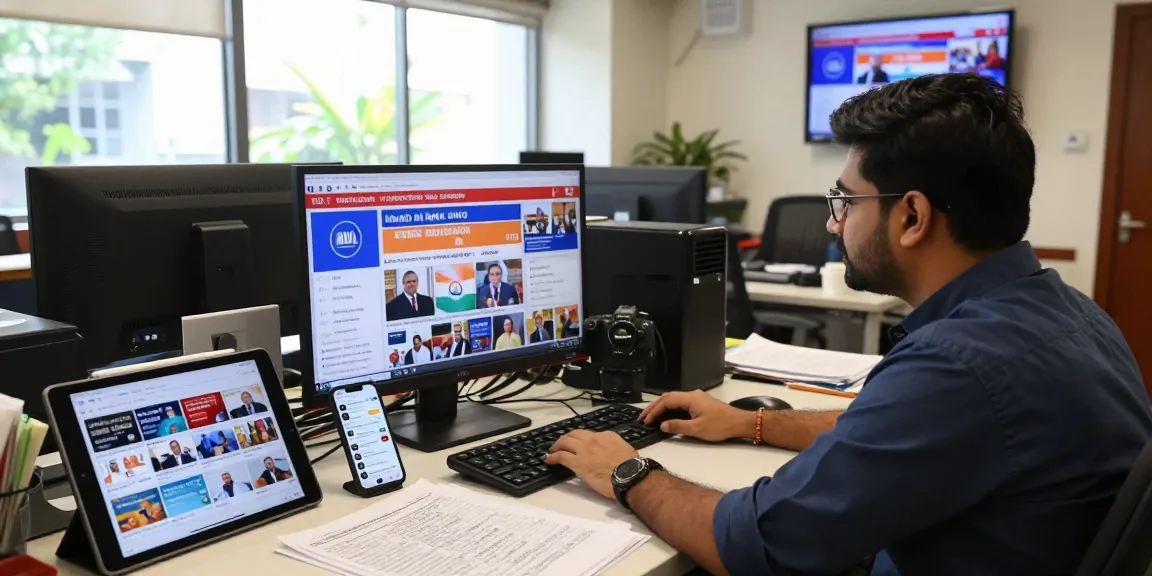
Understanding the Indian News Landscape in 2026
The world of news is rapidly evolving, and India, with its dynamic socio-political landscape, is no exception. As we venture into 2026, the consumption of news in India reflects a complex interplay of historical context, technological advancements, and audience preferences. With numerous news portals like https://www.theindaily.com emerging as crucial sources of information, understanding this landscape becomes essential for both consumers and journalists alike. This article delves into the historical context, current trends, and technological roles shaping the Indian news media today.
Historical Context of Indian News Media
The Indian news media, dating back to the 18th century, has evolved significantly. The first newspaper, Hickey’s Bengal Gazette, was published in 1780, establishing a legacy of journalism that has grown to encompass a diverse range of voices and platforms. The pre-independence era was marked by a struggle for freedom of expression, with journalists using their platforms to oppose colonial rule. Post-independence, the media landscape expanded rapidly, influenced by various political, social, and economic factors. The diversity of languages and cultures in India has also played a vital role in shaping regional news outlets, catering to local audiences in their languages and dialects.
Current Trends Influencing News Consumption
In 2026, several trends are significantly impacting how Indians consume news. The rise of digital platforms has transformed traditional news models, with many Indians now relying on smartphones and the internet for updates. Social media platforms further amplify this shift, creating a space where news is disseminated in real-time. With the younger demographic increasingly shunning traditional news outlets, news organizations must adapt to changing preferences by offering content that is engaging, accessible, and often interactive.
The Role of Technology in Modern Journalism
Advancements in technology have introduced new tools and methodologies in journalism, including data journalism, investigative reporting, and multimedia storytelling. In 2026, journalists are expected to leverage artificial intelligence and machine learning to curate content, analyze audience preferences, and even automate some reporting tasks. Furthermore, the use of virtual reality (VR) and augmented reality (AR) is set to enhance storytelling, allowing for immersive experiences that engage audiences beyond traditional text and imagery.
Key Topics Covered by https://www.theindaily.com
Politics: Analyzing Recent Developments
The political landscape of India is intricate and ever-changing. Key issues—ranging from election strategies to policy changes—dominate news cycles. In 2026, major political parties are likely to emphasize transparency and accountability, driven by a more politically aware electorate. Understanding the nuances of political reporting is essential for any outlet aiming to provide thorough and objective news coverage.
Economy: Growth, Challenges, and Opportunities
As one of the world’s fastest-growing economies, India faces both opportunities and challenges. Key economic indicators such as GDP growth, unemployment rates, and inflation are crucial for shaping public discourse. News platforms must analyze these factors critically, providing insights into how they impact the common citizen. In 2026, economic coverage will likely focus on sustainable development and the implications of globalization on local businesses.
Cultural Trends: Understanding India’s Pop Culture
Popular culture in India reflects a rich tapestry of traditions and modern influences. Trends in cinema, music, fashion, and art are not just entertainment; they serve as cultural touchstones that resonate with diverse audiences. News outlets must keep abreast of these trends to engage effectively with younger demographics, highlighting not only entertainment but also the social implications behind these cultural shifts.
Best Practices for Reporting on Indian Affairs
Fact-Checking and Source Verification Methods
In an era where misinformation can spread rapidly, the importance of fact-checking has never been more pronounced. Journalists must employ rigorous verification processes for their sources, ensuring that information presented is accurate and trustworthy. This involves cross-referencing sources, utilizing fact-checking tools, and adhering to ethical journalism standards.
Engagement Strategies for Diverse Audiences
To resonate with India’s diverse populace, news organizations should develop engagement strategies tailored to various cultural and linguistic groups. This can involve creating content in multiple languages, employing local influencers, and utilizing social media effectively to foster dialogue. Recognizing and respecting cultural nuances is essential in building trust and credibility.
Culturally Sensitive Reporting Techniques
Reporting on culturally sensitive topics requires a nuanced understanding of societal norms and values. Journalists must approach sensitive issues with empathy and insight, ensuring that coverage does not perpetuate stereotypes or biases. Training in cultural competence is vital for reporters operating in India’s multifaceted landscape to convey stories that reflect the true essence of the communities they cover.
Leveraging Social Media for News Updates
Integrating https://www.theindaily.com Content into Social Channels
Social media platforms are now integral to news consumption. Outlets must develop strategies to integrate their content effectively across these channels. This includes crafting shareable headlines, utilizing visuals, and engaging directly with audiences through comments and discussions. By enhancing their social media presence, platforms can extend their reach and engage in meaningful interactions with their audience.
Engagement Metrics and Audience Insights
Measuring engagement metrics is crucial for understanding audience preferences and refining content strategy. News organizations should utilize analytics tools to track user interactions, identifying which topics resonate most with their audience. This data-driven approach allows for a more responsive news cycle that can adapt to changing interests and concerns.
Best Platforms for Sharing News Stories
Choosing the right platforms for sharing news is essential for maximizing reach. While Facebook and Twitter remain powerful tools, newer platforms like TikTok offer different engagement opportunities, especially with younger audiences. By diversifying their presence across multiple channels, news outlets can broaden their audience while adapting their content styles accordingly.
Future Trends in Indian Journalism
Emerging Technologies in News Reporting
As we look ahead, the influence of emerging technologies on journalism cannot be overstated. Innovations such as blockchain for verifying sources and transactions, AI for personalized news delivery, and advanced analytics for audience engagement will shape the future landscape. Journalists must remain adaptable and continuously educate themselves on these technological advancements to stay relevant.
Audience Expectations by 2026
By 2026, audience expectations regarding news content will likely evolve significantly. Consumers will demand more personalized content tailored to their interests, delivered seamlessly across platforms. This will push news organizations to innovate in their approach, ensuring that their offerings meet the high expectations of a digitally savvy audience.
Predictions for the Evolution of News Media
The evolution of news media is anticipated to be marked by further consolidation of digital platforms and the increasing importance of niche news outlets. The competition will push all players to enhance their content quality and engagement strategies. Traditional outlets will need to innovate to retain relevance amid the growing power of online platforms.
How can I stay updated on Indian news?
Staying updated on Indian news involves engaging with multiple reliable sources, subscribing to newsletters, and following reputable social media accounts. Platforms like https://www.theindaily.com offer comprehensive coverage and real-time updates, helping readers stay informed about the latest developments across various sectors.
What makes https://www.theindaily.com unique?
What sets https://www.theindaily.com apart is its commitment to providing content that is not only current but also contextualized for easy understanding, especially for non-native speakers. This focus on accessibility broadens the reach and enhances the user experience, catering to an audience that values clarity alongside comprehensive news coverage.
How can I contribute to news discussions?
Contributing to news discussions can be achieved through social media engagement, writing opinion pieces, or participating in community forums. By sharing insights, reactions, and constructive criticism, individuals can enrich the discourse surrounding important issues and influence the narrative within their community.
What are common challenges in reporting Indian news?
Common challenges in reporting Indian news include navigating the complex political landscape, addressing regional disparities in news access, and combating misinformation. Journalists must also be aware of the socio-cultural sensitivities at play while striving to maintain impartiality and accuracy in their reporting.
How does technology change the news landscape?
Technology fundamentally reshapes the news landscape by enhancing communication efficiency, democratizing content creation, and enabling real-time updates. It also introduces challenges such as the spread of misinformation and the need for ethical considerations regarding privacy and data use.
