Understanding the Importance of Regular Dental Checkups
Maintaining optimal dental health is a vital aspect of overall well-being that often goes overlooked. Regular dental checkups not only help in preventing dental diseases but also ensure that any existing issues are addressed promptly. For many, the thought of going to the dentist can be daunting; however, understanding the significance of these visits can help alleviate anxiety. When exploring options, view it now for a comprehensive guide on finding the best dentist tailored to your needs.
Why You Should Prioritize Dental Health?
Dental health is intrinsically connected to physical health. Poor dental hygiene can lead to various health problems such as heart disease, diabetes, and respiratory issues. Additionally, maintaining good oral hygiene can improve your confidence, social interactions, and overall quality of life. It’s essential to prioritize dental health through regular checkups, which can help catch issues like cavities or gum disease early on, making treatment simpler and less invasive.
Common Dental Issues and Their Prevention
Several common dental issues can arise due to neglect, but they can often be prevented with proper care. These include:
- Cavities: Caused by the buildup of plaque, cavities can be prevented through regular brushing, flossing, and routine dental visits.
- Gum disease: This is typically caused by poor oral hygiene and can lead to tooth loss. Regular cleanings can prevent this condition.
- Tooth sensitivity: Often the result of worn enamel or gum recession, sensitivity can be managed through specialized toothpaste and professional treatments.
How to Book Appointments with Ease
With advancements in technology, finding and booking a dental appointment has never been easier. There are numerous online platforms that allow patients to view dentist availability in real-time and book appointments with just a few clicks. This convenience allows patients to save time and avoid the frustration of waiting for a callback to confirm availability.
Using Online Platforms to Find Dentists
Online platforms provide a wealth of information on local dentists, including patient reviews, treatment options, and availability. Utilizing such resources can help you find qualified professionals who meet your specific needs. Consider checking their credentials, specialties, and patient feedback to make an informed choice.
Real-time Availability: Why It Matters?
Knowing a dentist’s real-time availability can significantly streamline the appointment booking process. Patients can view open slots and book appointments that best fit their schedules, reducing the likelihood of missed appointments and long wait times. This system not only saves time but also improves patient satisfaction.
Tips for Efficient Appointment Management
To manage your dental appointments efficiently, consider the following tips:
- Use calendar reminders to keep track of your appointments.
- Set appointments at times that minimize disruptions to your daily schedule.
- Reschedule promptly if you cannot make your appointment to ensure your dental health doesn’t take a backseat.
Enhancing Your Comfort During Visits
Dental visits don’t have to be stressful. Understanding what to expect can make the experience much more comfortable. From understanding procedures to knowing how to manage anxiety, preparation is key.
What to Expect During Your First Appointment?
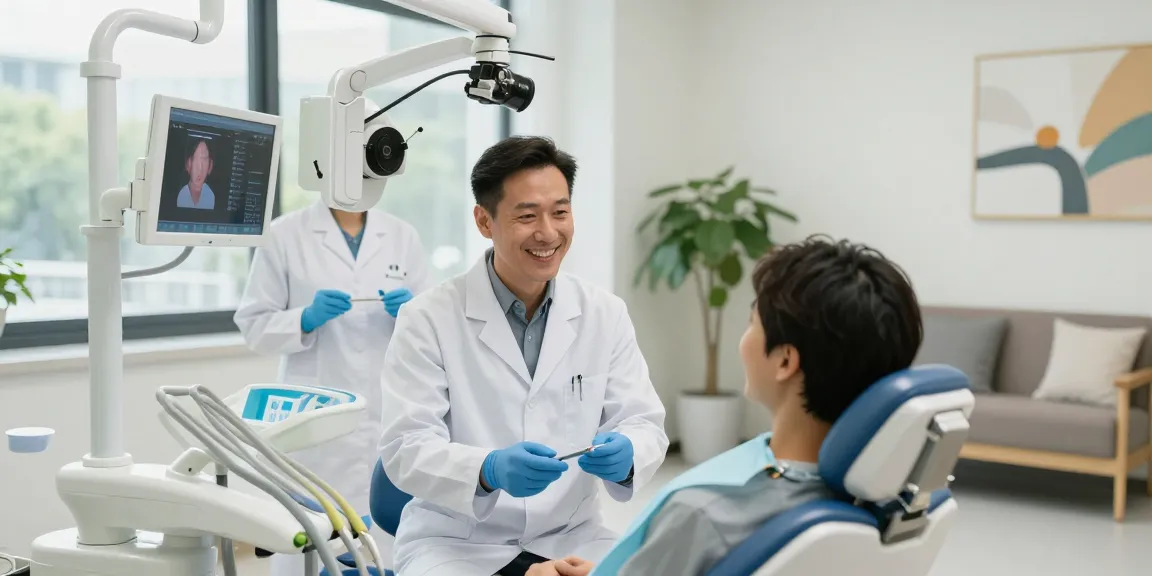
Your first dental visit is typically focused on establishing a baseline for your dental health. The dentist will conduct a comprehensive examination, including X-rays, to assess your oral health. They will also discuss your dental history and any concerns you may have, setting the stage for a tailored approach to your care.
Managing Dental Anxiety: Useful Techniques
For many individuals, the thought of visiting the dentist can trigger anxiety. Techniques to manage this anxiety include:
- Deep breathing exercises before and during the appointment.
- Practicing mindfulness or visualization techniques.
- Communicating your fears to your dentist, who can provide reassurance and accommodate your needs.
Utilizing Technology for a Better Experience
Modern dental practices are increasingly utilizing technology to enhance patient experiences. This ranges from digital X-rays, which reduce radiation exposure, to interactive treatment plans that allow for more informed decision-making. Technology not only makes the process smoother but also results in more accurate diagnoses and treatments.
Understanding Treatment Options
Dental treatment options vary widely, and understanding them is vital for making informed decisions about your care. By knowing what procedures are available, you can better communicate with your dentist about your needs and preferences.
Common Procedures Explained: What to Expect?
Some common dental procedures include:
- Cleanings: Professional cleanings help remove plaque and tartar buildup.
- Fillings: Used to treat cavities, fillings can be made from various materials including composite, resin, and amalgam.
- Crown placement: Crowns are used to restore damaged teeth and can be customized to match your natural tooth color.
Modern Advancements in Dental Treatments
Advancements in dentistry have led to more effective treatments and better patient outcomes. Innovations such as laser dentistry allow for less invasive procedures, and advancements in anesthesia make treatments virtually painless. Staying informed about these changes can enhance your confidence in seeking necessary dental care.
Choosing the Right Treatment for Your Needs
Choosing the most appropriate treatment requires an understanding of your dental issues and the options available. Consult with your dentist about various treatments, considering factors such as cost, recovery time, and effectiveness. Making an informed choice ensures that you receive care tailored to your specific requirements.
Future Trends in Dentistry: What to Look Forward To?
The dental industry is evolving rapidly, and staying aware of future trends can prepare you for changes in the care you receive. The following highlights some trends to keep an eye on:
Emerging Technologies in Dental Care
Technological advancements, including the use of artificial intelligence (AI) for diagnostics and 3D printing for dental implants, are set to revolutionize dentistry. These innovations promise improved accuracy, efficiency, and patient comfort in treatment.
The Role of Tele-dentistry in 2026
Tele-dentistry is gaining traction, allowing patients to consult with their dentists remotely for initial assessments or follow-up care. This provides convenience, particularly for patients in rural areas or those with mobility issues, enhancing access to care.
Predictions for Patient-Centric Care
The shift towards patient-centric care is likely to expand, with a greater emphasis on personalized treatment plans and improved communication between dentists and patients. This approach aims to enhance patient outcomes and satisfaction by catering to individual needs and preferences.
Frequently Asked Questions
How can I find the best dentist nearby?
Using online platforms to read reviews and check credentials can help you find the best dentist in your area. Additionally, seeking recommendations from friends and family can provide valuable insights.
What should I bring to my dental appointment?
Always bring any necessary medical records, your insurance information, and a list of medications you are currently taking. This ensures that your dentist has all relevant information to provide the best care.
How often should I schedule my dental checkups?
It is generally recommended to schedule dental checkups every six months; however, your dentist might suggest more frequent visits based on your individual health needs.
Are dental treatments covered by insurance?
Coverage for dental treatments varies by insurance plan. It is advisable to check with your provider for specifics on what treatments are covered to avoid unexpected costs.
What are the signs I need to see a dentist?
Signs indicating you should see a dentist include persistent tooth pain, bleeding gums, sensitivity to hot or cold, and noticeable tooth discoloration. Addressing these issues promptly can prevent them from worsening.